
Framed Certificates, Failing Systems: The Real Story of ISO/IATF in MSMEs
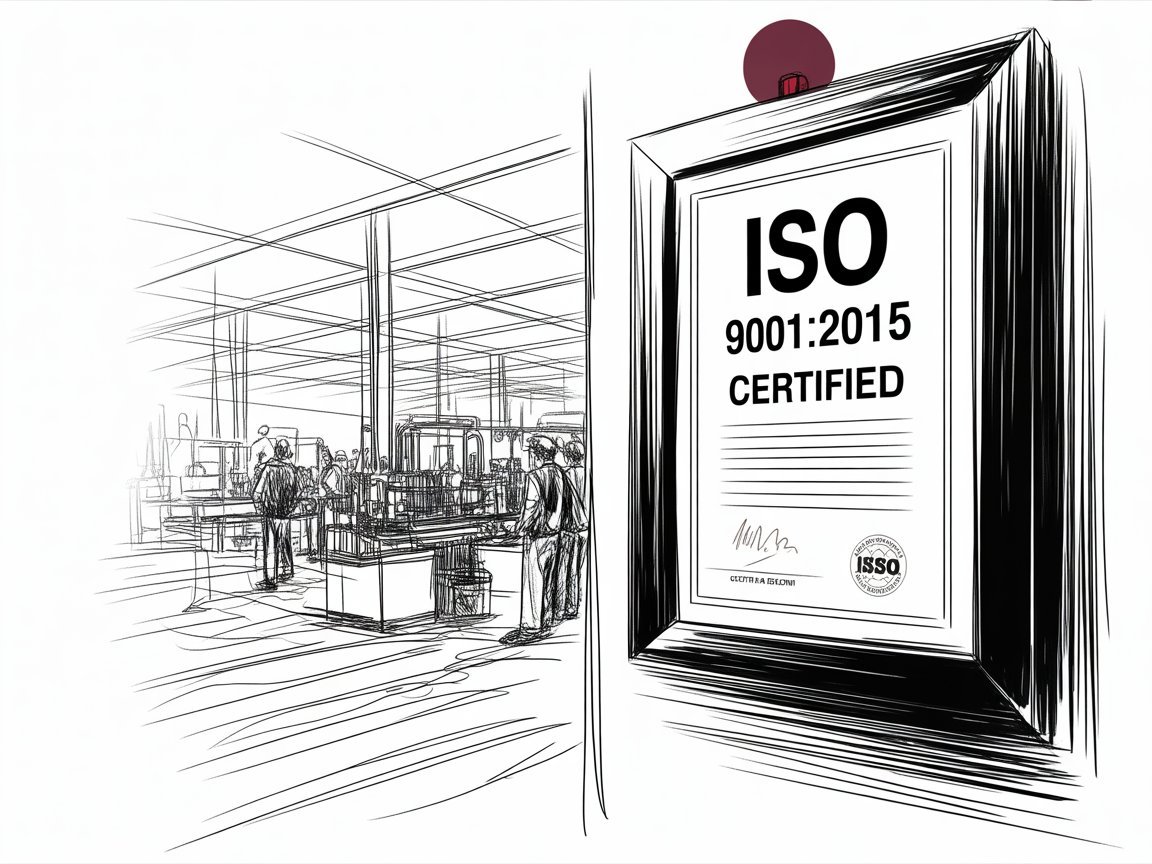
Walk into any MSME factories in Tamil Nadu and you’ll notice a ritual. Right near the reception desk, hanging proudly on the wall, is a framed ISO/IATF certificate. The colors are fresh, the logo is official, and the message is clear: we are a certified company.
Now, take a walk to the shop floor. Machines are idle because the maintenance schedule was skipped. Supervisors are shouting to arrange emergency rework because a customer flagged defects. Delivery is delayed again because nobody knew the inventory was already short last week.
It doesn’t take long before the contradiction hits you. If ISO/IATF certification really brings discipline and control, why does the factory still run on chaos?
That’s the illusion many MSMEs live under. The certificate looks good to visitors. It checks the box for customers. It even wins a nod from bankers or government officers. But inside the company, the same old firefighting continues.
So the real question is not “Do you have ISO/IATF?” The real question is: “Does your system actually work?”
🎥 Prefer listening? Watch the Tamil version of this post here:
The Badge Without the System
Here’s what often happens.
An MSME owner gets pressure from a customer: “Get ISO 9001/IATF 16949 or other frameworks if you want to continue business with us.” The owner calls a consultant. The consultant brings ready-made manuals, edits the company’s name into them, and arranges a quick certification audit. In a few weeks, the certificate is ready. Everyone celebrates.
And then life goes back to normal. Operators still take shortcuts. Supervisors still use their own checklists. Managers still rely on last-minute fixes instead of root-cause solutions. Nobody touches the heavy ISO manual unless an audit is around the corner.
It’s not that MSME owners don’t care about quality. They do. But the way ISO/IATF is sold and implemented often reduces it to a badge instead of a system. Studies from Tamil Nadu have shown this clearly: many certified companies treated ISO/IATF as a marketing tool, not a real improvement program. On paper, they were world-class. In reality, they were struggling just to stay consistent.
That’s the ISO illusion.
Why Paperwork-Only ISO/IATF Always Fails
Think about it. A factory system is only as good as what people actually use.
When consultants deliver copy-paste procedures, they rarely match the way the company really works. Operators ignore them because they make no sense. Managers ignore them because they slow things down. Before long, the documents sit untouched in a folder — zombie documents that exist only for the auditor’s eyes.
Meanwhile, the company keeps spending precious hours preparing for audits. Employees rush to update forms. Supervisors rehearse what to say. Everyone knows it’s a show. And once the auditor leaves, the show is over.
But here’s the hidden danger: while the company thinks it is certified and therefore “safe,” real problems are growing unchecked. Defects, delays, and downtime continue. Customers are not impressed by the certificate if the delivery is late.
That’s why paperwork-only ISO/IATF always fails. It creates the feeling of safety without the reality of improvement.
The Cost of Living in the Illusion
Most MSME owners see ISO/IATF as an expense anyway. When they treat it as just paperwork, it becomes exactly that — a cost with no return.
Consultant fees, certification charges, and employee hours spent filling forms — all these are visible costs. What’s invisible is worse. False confidence stops the owner from asking hard questions. Everyone assumes “we are certified, so we must be fine.” Opportunities to improve are missed.
I know of a small manufacturer that passed its initial certification with flying colors. But six months later, during the first surveillance audit, the auditor found corrective actions left unresolved for months. The system looked alive on paper, but in practice, it was dead. The company had to spend lakhs again to fix the mess.
That’s the real cost of the illusion: not just wasted money, but wasted time and damaged credibility. And MSMEs cannot afford any of those luxuries.
What Real ISO/IATF Should Deliver
ISO 9001/IATF 16949 frameworks were never meant to be a certificate factory. At its core, it is a framework for clarity. Done right, it helps MSMEs reduce firefighting, improve consistency, and build confidence with customers.
A real ISO/IATF system is not about thicker manuals. It’s about daily discipline. Simple checklists that match the way people work. Records that help spot patterns instead of creating piles of paper. Reviews that actually guide decisions, not just fill minutes of a meeting.
When ISO/IATF is treated as a mirror, not wallpaper, it shows MSMEs where they stand and where to improve. The certificate becomes a by-product, not the goal.
The difference is easy to see. In factories where ISO is alive, operators can explain why they follow certain steps. Managers use data from the system to prevent problems, not just record them. Customers feel the difference in consistent deliveries. Employees feel the difference in less confusion and fewer last-minute scrambles.
That’s the ISO/IATF most MSMEs dream of — not the one they often end up with.
Breaking the Illusion
It’s tempting to settle for the certificate. After all, it satisfies the customer requirement and keeps the consultant’s bill low. But MSMEs must ask: Do we want to live with the illusion of quality, or the reality of improvement?
An ISO/IATF certificate without a living system is like a helmet painted on your head. It looks safe, but it won’t save you.
The good news is, MSMEs don’t need big investments to make ISO/IATF real. What they need is clarity. A system designed around their actual processes. Training that makes sense to their people. Reviews that connect numbers to actions.
That’s when ISO/IATF stops being paperwork and starts being a partner.
Closing Reflection
So next time you walk past that framed certificate in your office, pause for a second. Ask yourself: Does this represent how we actually work, or just how we want to look?
If it’s only the latter, then you’re living under the ISO/IATF illusion. And illusions, as every MSME owner knows, never last long when customers start asking tough questions.
Teaser for Next Blog
In the next part of this series, I’ll explore the hidden costs of certificate-only consulting — the money, time, and reputation MSMEs lose without even realizing it. Spoiler: it’s much more expensive than investing in a real system.