Why Tamil Nadu Manufacturers Confuse Strategic Planning with Strategy, and Why It’s Killing Their Competitiveness

Manufacturing strategic planning document for ISO IATF audit

The pattern repeats itself across Tamil Nadu’s manufacturing belt. When we go to see any manufacturing facility (automotive or non-automotive), they maintain a 50-page strategic planning document prepared before each ISO/IATF audit or during a strategic planning session. Goals listed, SWOT analyses completed and KPIs defined. The auditor checks the box or top management reviewed … Read more

Revisiting the Basics: Why I’m Abandoning Modern Frameworks for Industrial Engineering

Minimalist illustration of a person walking on a winding path that loops backward before continuing forward, symbolizing rediscovery of fundamentals in industrial engineering and management systems.

Seventeen years ago, I scored a perfect mark in Industrial Engineering. At the time, I was fascinated by the scientific principles behind optimizing work. How time, motion, and method could be systematically improved. But somewhere between graduation and a 14-year career in manufacturing, I lost sight of those fundamentals. I got caught up in what … Read more

What is ISO 14001? A Simple Guide for MSMEs

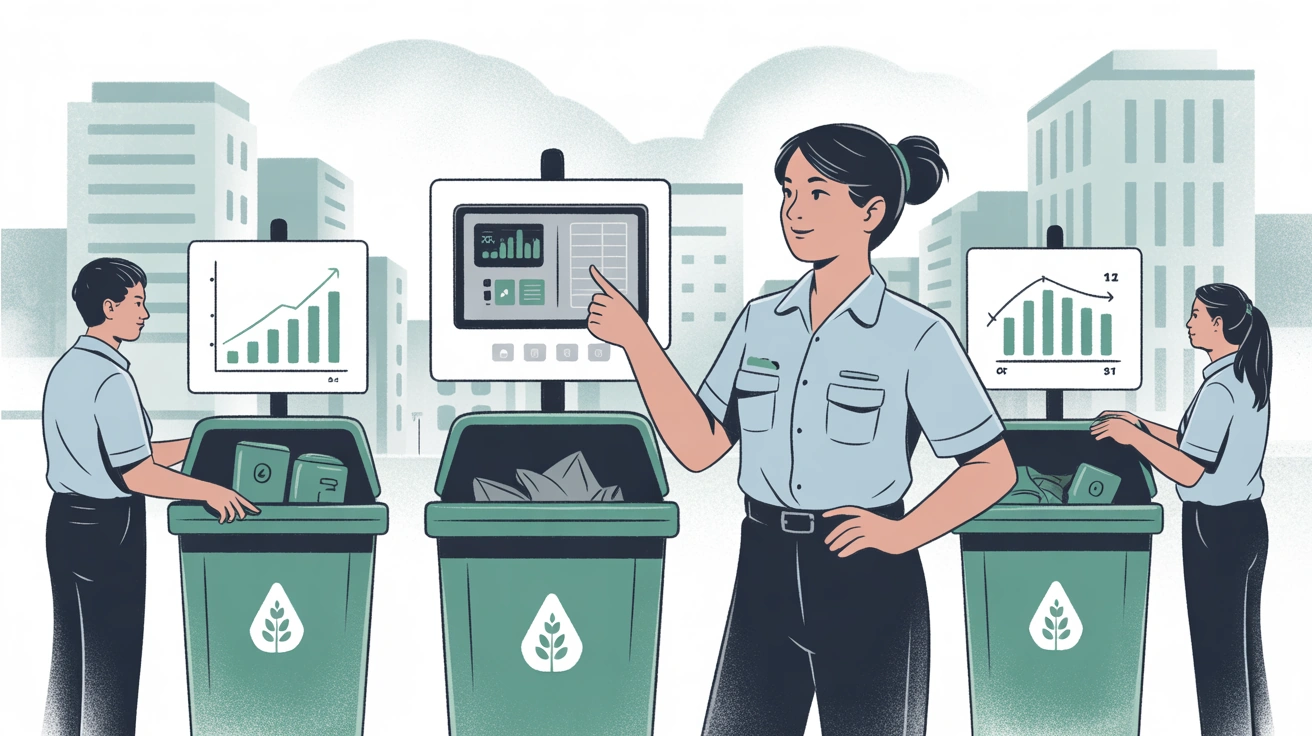
Hand-drawn illustration of MSME workers monitoring waste segregation and sustainability dashboards under ISO 14001 environmental management system.

Many factory owners see environmental management as “extra work.” Something you do only when a customer demands it, or when pollution control officers visit. I’ve walked into shops where waste oil is stored in open drums, chemical containers lie scattered, and scrap piles up in corners. Yet, in those same offices, you’ll often find an … Read more

What is IATF 16949? A Guide for MSMEs

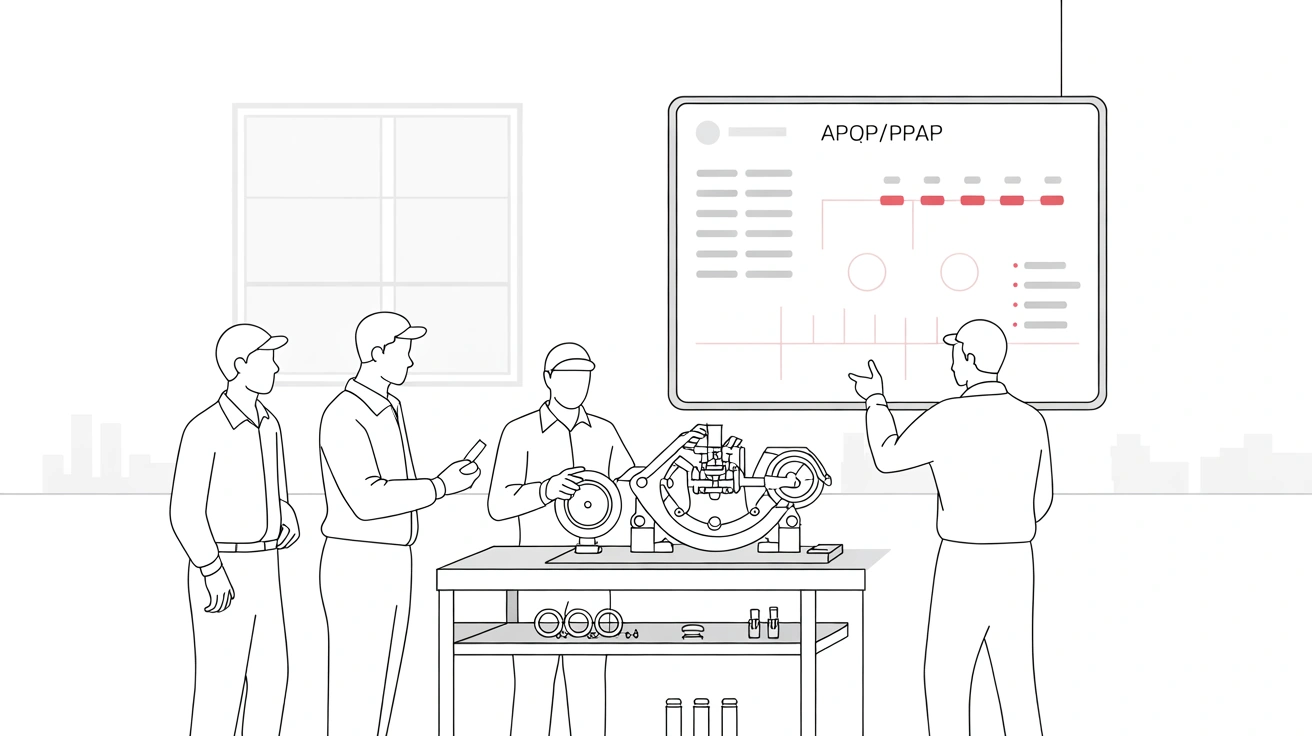
Line-art illustration of MSME automotive team reviewing APQP and PPAP charts while inspecting auto parts under IATF 16949 quality management system.

In my experience, nothing puts pressure on manufacturing MSMEs like supplying to the automotive industry. Customers expect flawless parts, delivered on time, every time. One defective batch can stop a production line, trigger penalties, or even cost you the contract. Yet, I’ve seen suppliers proudly show me their IATF 16949 certificate, while the reality on … Read more

What is ISO 9001? A Simple Guide for MSME Businesses

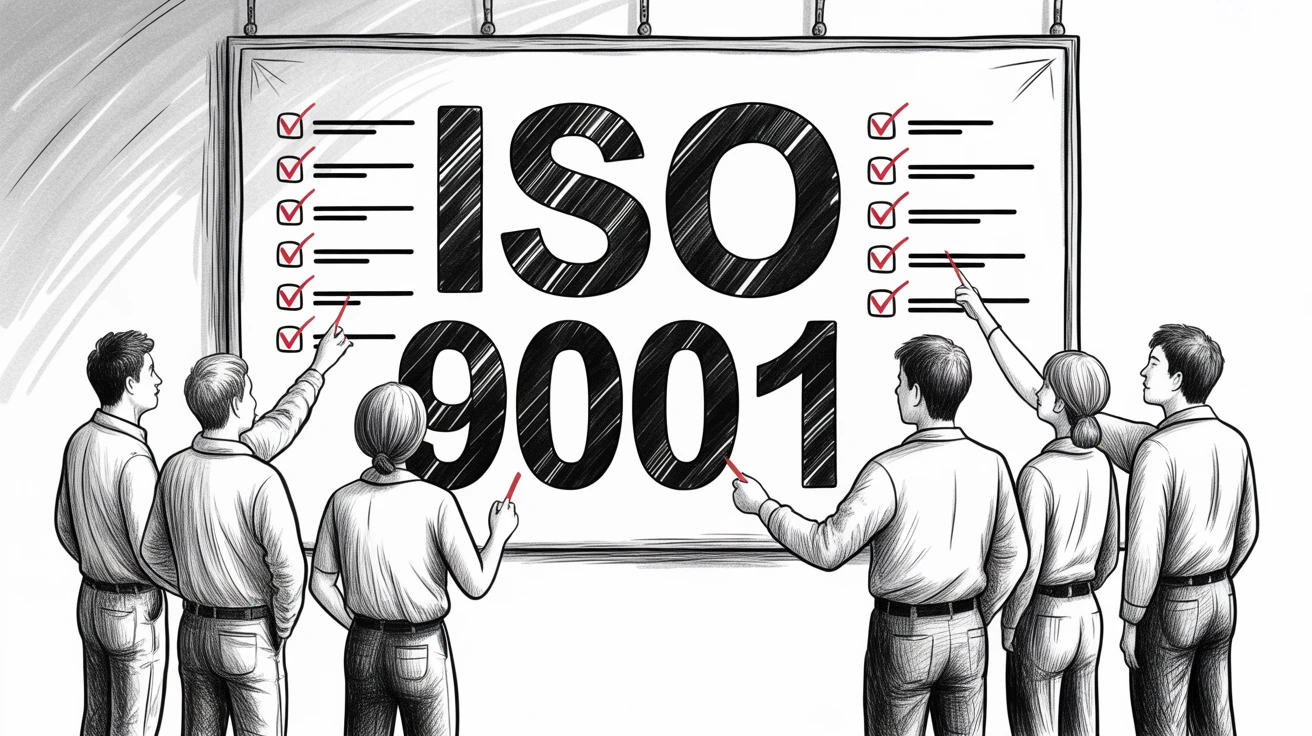
Hand-drawn sketch of an ISO 9001 binder with checklist, customer trust badge, and process flow icons.

I’ve seen many factories where the ISO 9001 certificate is proudly framed on the wall. The manuals are neatly filed, and the auditor has signed off. On paper, everything looks perfect. But on the shop floor? Chaos. Parts are being reworked because the requirements weren’t clear. Workers arguing about who was supposed to check what. … Read more

ISO Audit Survival vs Real Quality | Lessons for MSMEs

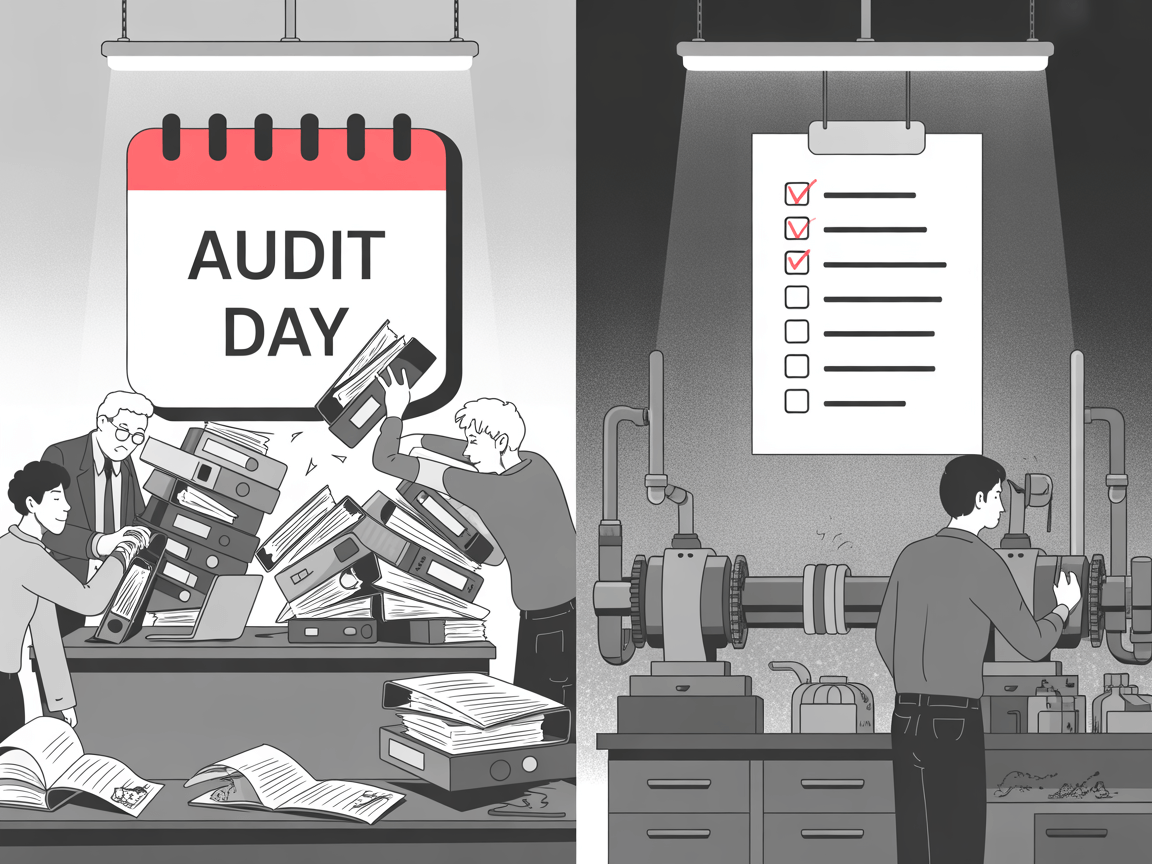
ISO audit survival vs real quality — one side shows employees panicking with piles of binders on “Audit Day,” the other side shows a calm factory worker following a checklist.

Audit Survival vs. Real Quality: A Tale of Two MSMEs ISO audit survival vs real quality is more than a catchy phrase, it’s a daily reality for MSMEs in Tamil Nadu. It’s a Tuesday morning in Tamil Nadu. Two MSME owners are preparing for their ISO surveillance audits. On paper, their stories look the same — … Read more

5 Ways Certificate-Only ISO Becomes a Costly Mistake

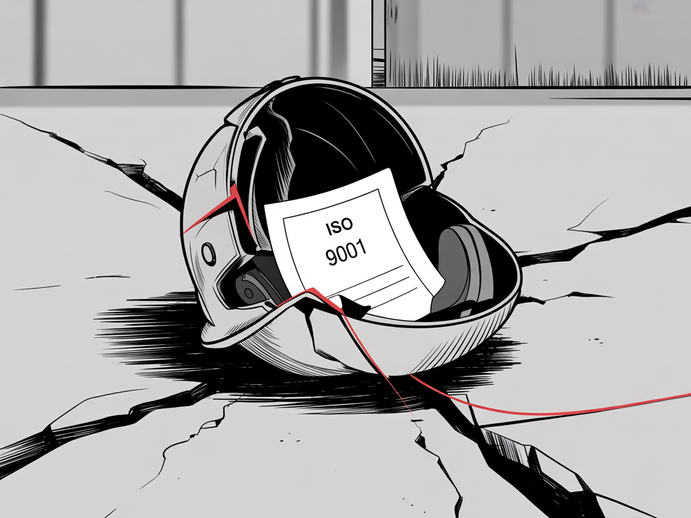
Cracked helmet with an ISO 9001 certificate inside, symbolizing the false safety and hidden costs of certificate-only ISO consulting for MSMEs.

Many Tamil Nadu MSMEs proudly say, “We got ISO in 30 days, only ₹2,000.” It sounds like a bargain, but certificate-only ISO is the costliest mistake they can make. The certificate may hang on the wall, yet firefighting, rework, and customer complaints never stop. Beyond consultant and certification fees, the real price shows up in wasted employee time, low morale, lost improvement opportunities, and shaken customer trust. Whether cheap or costly, paperwork-only ISO makes MSMEs pay twice — once for the certificate, again for the growth they never achieve.

The ISO/IATF Illusion: Why Paperwork-Only Systems Fail MSMEs

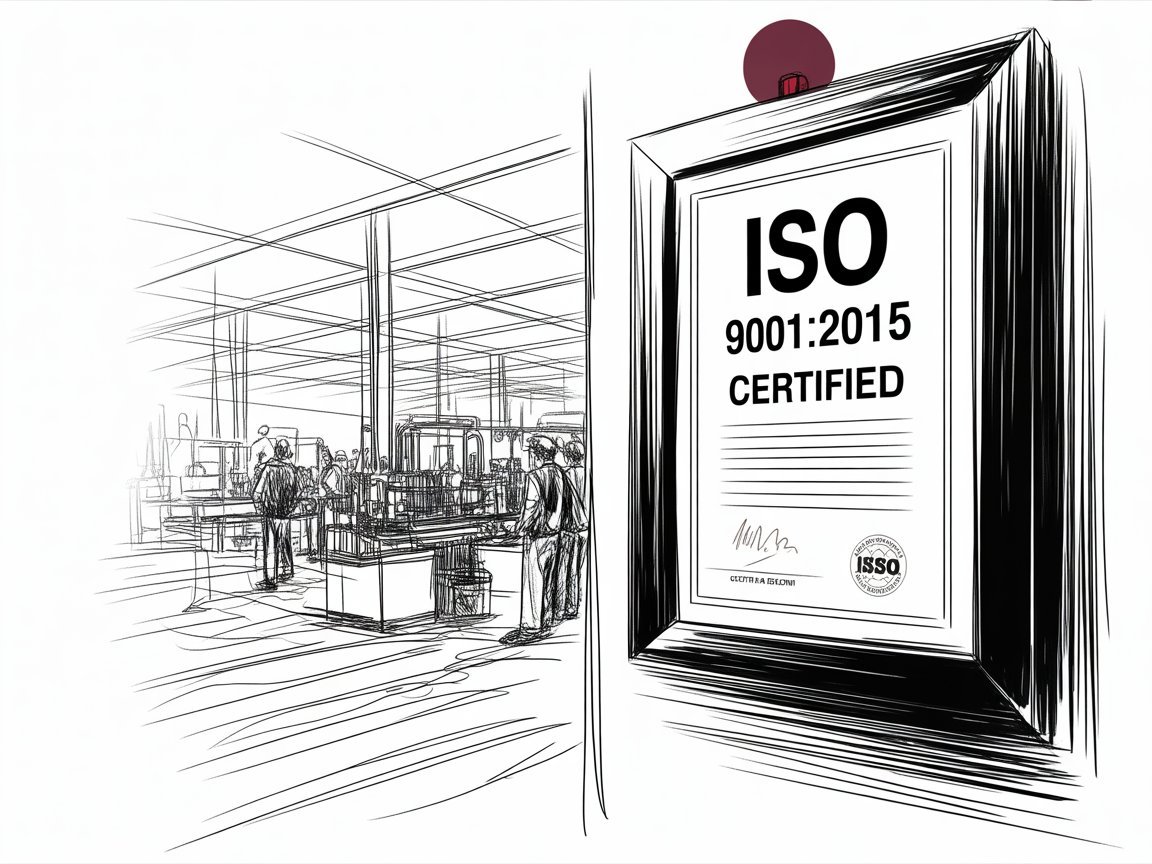
Framed ISO certificate on office wall with chaotic factory floor in background, black and white minimalist illustration with muted red accent.

Framed Certificates, Failing Systems: The Real Story of ISO/IATF in MSMEs Walk into any MSME factories in Tamil Nadu and you’ll notice a ritual. Right near the reception desk, hanging proudly on the wall, is a framed ISO/IATF certificate. The colors are fresh, the logo is official, and the message is clear: we are a … Read more

How to Build a Practical Factory System for MSMEs | Stop Daily Firefighting

MSME team reviewing a visible process checklist in a factory workspace

Learn how MSMEs can create factory systems that actually work — starting with one recurring problem, mapping reality, involving the team, making processes visible, and keeping them alive for long-term results.

The 5 Hidden Myths & Traps That Kill Your Factory Systems Before They Start

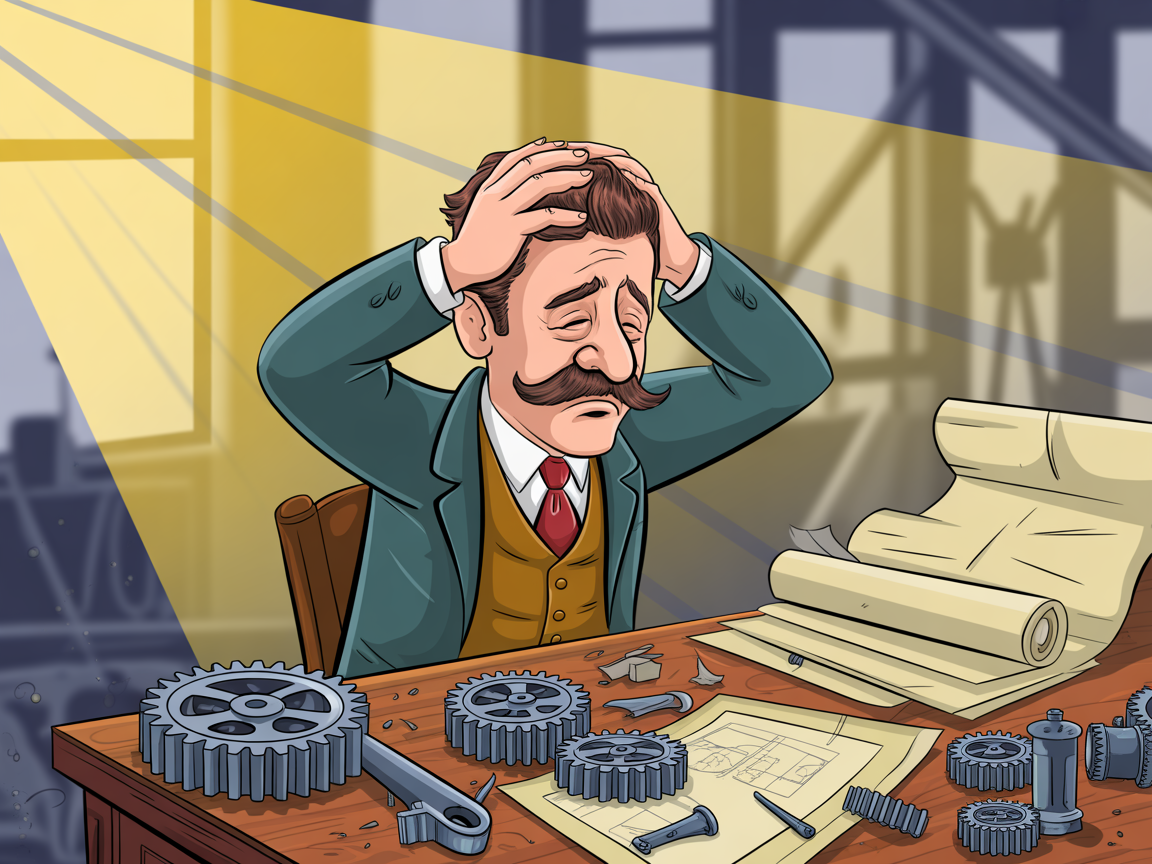
Frustrated factory owner holding head with broken gears and system documents on desk showing manufacturing system failures

Most factory owners think they know what kills their systems. They blame lazy workers. They blame poor training. They blame bad software.
But the real problem starts earlier. It starts with what you believe about systems.
You think writing procedures means building systems. You think more rules give better control. You think smart people will handle all problems.
These beliefs feel right. Everyone follows them. But they kill every system you try to build.
This blog shows you 5 wrong beliefs and 5 deadly traps that break factory systems before they start working. You will see why your ISO certificate does not create real systems. You will understand why copying other factories fails in your factory.
Most importantly, you will learn the connection you keep missing. Everything in your business connects to everything else. When you fix one thing without thinking about other things, you break three things while fixing one.
Your quality connects to your delivery. Your delivery connects to your costs. Your costs connect to your customers. When you understand these connections, you can build systems that actually work.
Stop building systems that look good on paper but fail on the factory floor. Start building systems that help your people see problems early and solve them fast.
Read this blog. Change what you believe about systems. Change your results.